Do You Really Need Tenant Protection and Insurance for Your Storage Unit?
When you rent a storage unit, it is natural to assume your belongings are fully protected. The truth is, while storage facilities provide strong security measures, they typically do not insure the contents inside your unit. This is where self-storage tenant protection and insurance become important. It adds an extra layer of financial protection in case of unexpected events, helping you store your belongings with greater confidence.
At G & E Self Storage, customers are given the option to add protection plans, ensuring their stored items are covered beyond standard facility security. Understanding how this works can help you make a more informed decision before renting a unit.
What Is Tenant Protection for Storage Units?
Tenant protection is a coverage plan designed to help protect the value of your stored belongings. It is not the same as traditional insurance, but it serves a similar purpose by offering financial reimbursement in specific situations.
When renting a storage unit, many customers assume their items are automatically covered. In most cases, they are not. Storage unit tenant protection helps bridge that gap by offering optional coverage directly through the facility.
This type of plan is especially useful when storing valuable or essential items over an extended period.
Why Facility Security Alone Is Not Enough
Modern storage facilities are built with strong security features. At G & E Self Storage, customers benefit from:
- Gated access with personalized entry codes
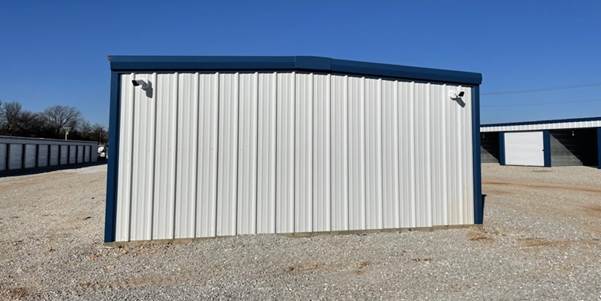
- Video surveillance monitoring the property
- Well-lit surroundings for safe access
These measures reduce risk, but no system can eliminate it completely. Events such as unexpected damage, weather-related issues, or accidents can still occur. Tenant protection ensures you are not left handling those losses on your own.
What Does Tenant Protection Typically Cover?
Coverage plans vary, but most are designed to protect against common risks that could affect stored items. These plans often provide reimbursement based on the value of your belongings and the level of coverage you select.
Typical coverage areas may include:
- Damage caused by unforeseen incidents
- Loss due to theft or forced entry
- Certain types of environmental damage
Before choosing a plan, it is important to review the details so you understand exactly what is included and what may be excluded.
How to Decide If You Need Coverage
Not every storage situation is the same. The need for protection depends on what you are storing and how long you plan to store it.
You may benefit from tenant protection if you are storing:
- Furniture, appliances, or household goods during a move
- Business inventory or important equipment
- Personal items with financial or sentimental value
If the cost of replacing your items would be significant, adding protection is often a practical decision.
Choosing the Right Storage Facility
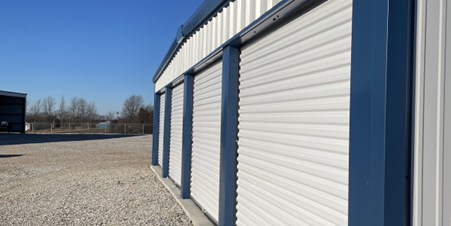
A reliable storage experience starts with choosing a facility that values both security and customer convenience. Features such as drive-up access, wide lanes, and ground-level units make it easier to manage your belongings, while strong security systems provide peace of mind.
At G & E Self Storage, customers can take advantage of clean, well-maintained units, flexible month-to-month rentals, and easy online account management. The option to add tenant protection ensures that your belongings are not only stored securely but also backed by additional coverage.
Reserve Your Storage Unit with Protection Today
Don’t leave your belongings unprotected. Choose a secure unit and add tenant protection at the time of booking for added peace of mind. At G & E Self Storage, you can rent your unit online in minutes, select the right coverage, and move in on your schedule.
Check availability, choose your unit size, and complete your reservation today. If you have questions, contact the team directly for guidance on selecting the right space and protection plan for your needs.
Frequently Asked Questions
1. Is tenant protection required when renting a storage unit?
Tenant protection is not always required, but many facilities recommend it. It helps protect your belongings in case of unexpected damage or loss, giving you added financial security during your rental period.
2. Does a storage facility insure my belongings automatically?
No, most storage facilities do not insure stored items. They provide security for the property, but coverage for the contents inside the unit is usually the renter’s responsibility.
3. What is the difference between insurance and tenant protection?
Insurance is typically provided by an insurance company, while tenant protection is often offered directly by the storage facility. Both provide coverage, but the terms and claims process may differ.
4. Can I use my homeowner’s or renter’s insurance for storage?
In some cases, yes. Many policies extend limited coverage to items in storage. It is important to check with your provider to confirm what is included and whether additional protection is needed.
5. How much coverage should I choose for my storage unit?
Coverage should reflect the total value of the items you are storing. Make a list of your belongings and estimate replacement costs to choose a plan that provides adequate protection.
6. Does tenant protection cover all types of damage?
Not all situations are covered. Each plan has specific terms and exclusions. It is important to review the agreement carefully so you understand what is protected and what is not.
7. Is tenant protection expensive?
Most plans are affordable and based on the level of coverage selected. The cost is typically small compared to the potential expense of replacing damaged or lost items.
8. How do I add tenant protection to my storage rental?
You can usually add it during the rental process, either online or in person. The facility will guide you through available options and help you select the right level of coverage.