Is an Affordable 10×20 Non-Climate Storage Unit the Right Choice for Your Storage Needs?
Finding enough space for large household items can become difficult, especially during moves, home renovations, or when businesses need room for inventory and equipment. Many people need a storage option that is spacious, easy to access, and reasonably priced. An affordable 10×20 non climate storage unit can provide that balance by offering significant storage capacity without unnecessary added costs.
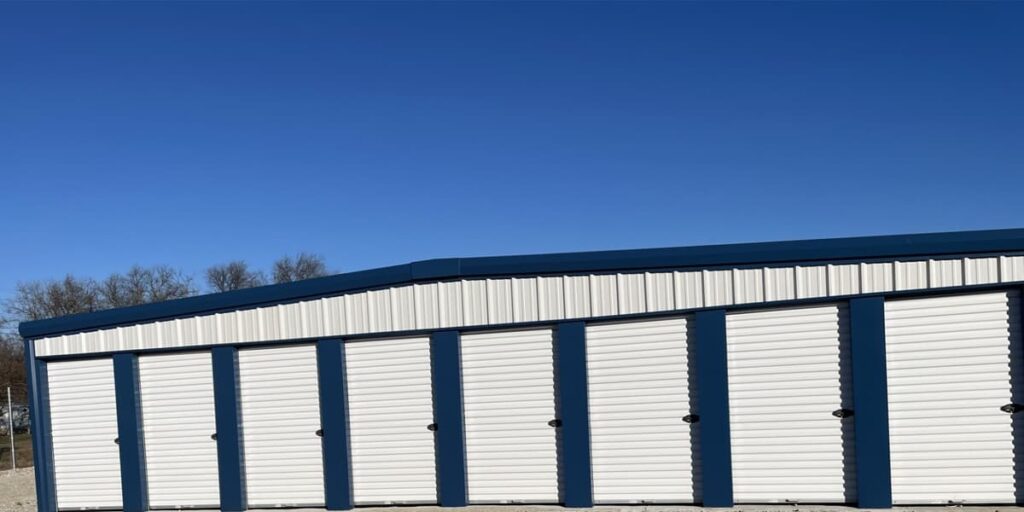
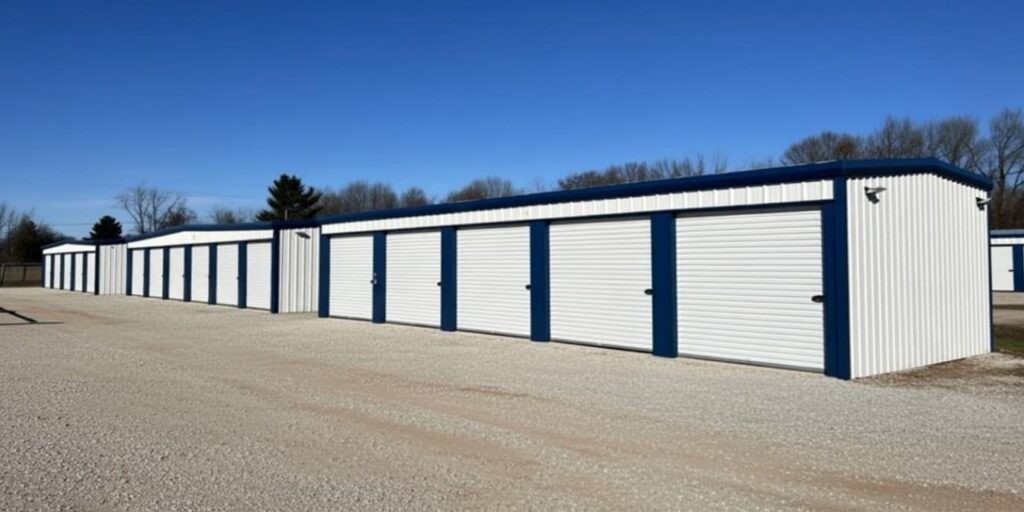
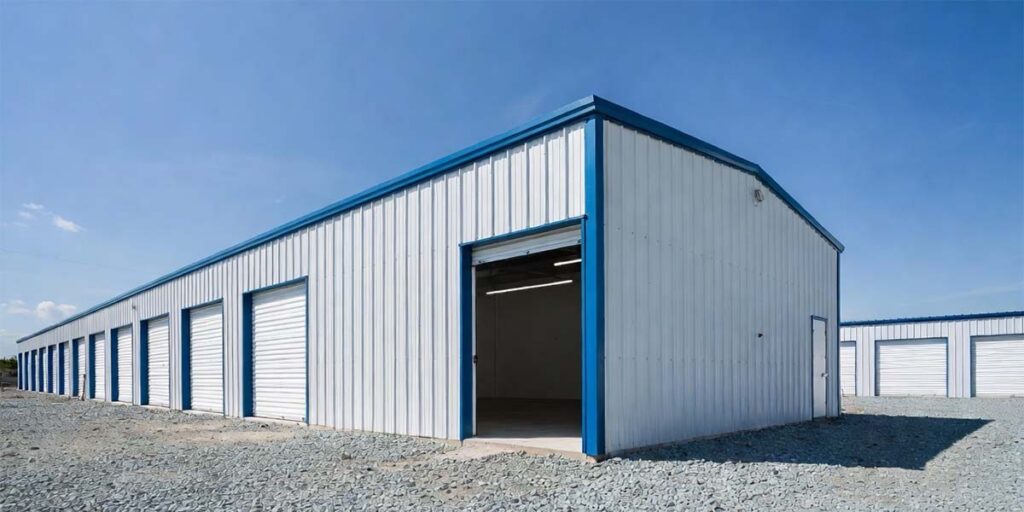
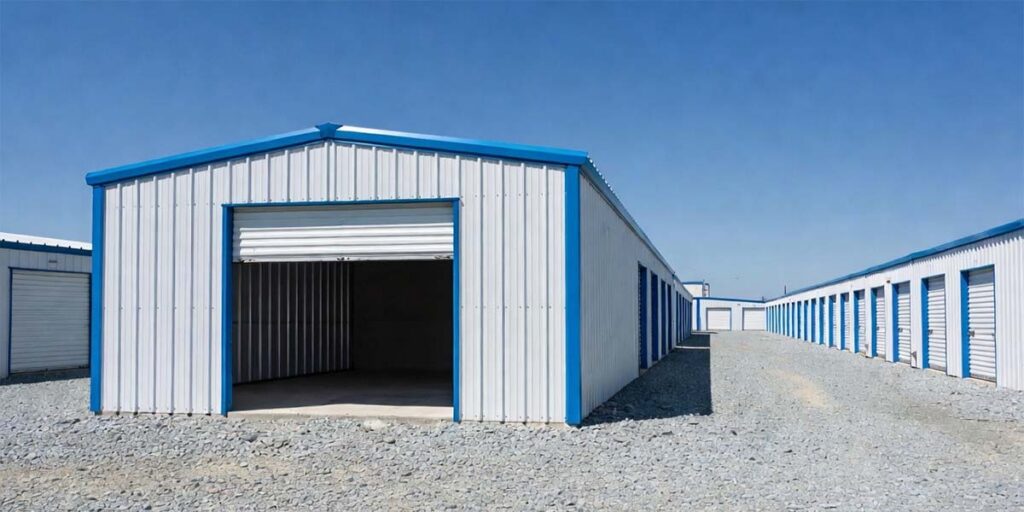
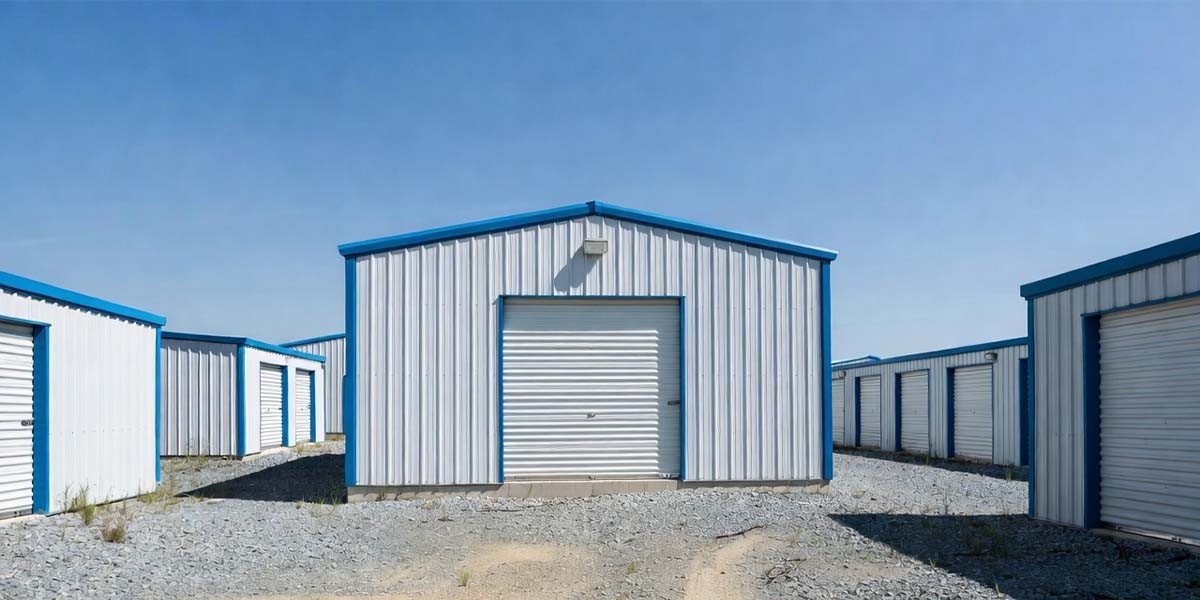
At G & E Self Storage, larger drive-up storage units are designed to help customers manage extra belongings safely and conveniently. With flexible rental options and accessible ground-level units, this type of storage can support both short-term and long-term needs.
Understanding the Size and Capacity of a 10×20 Storage Unit
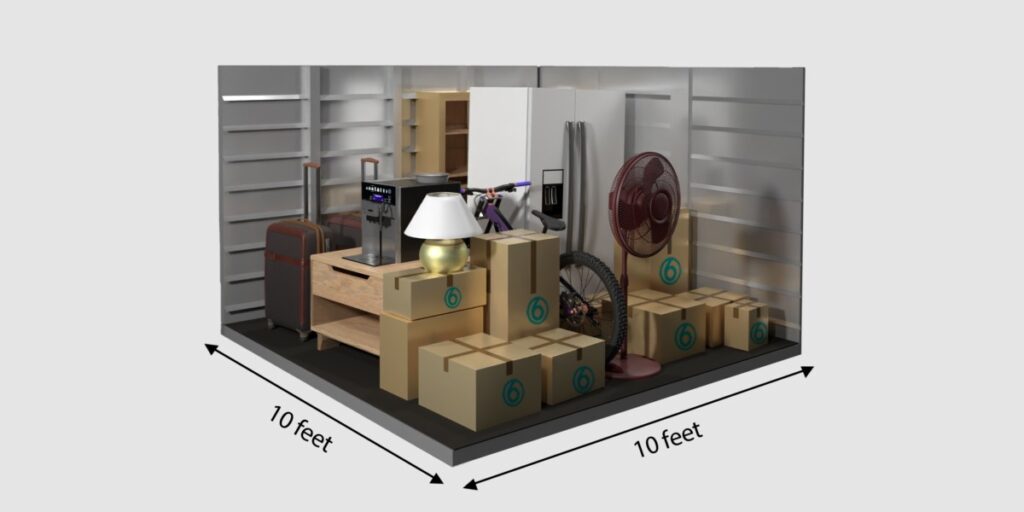
A 10×20 storage unit provides about 200 square feet of space. This is roughly the size of a standard one-car garage, which makes it suitable for storing large quantities of belongings. Many customers choose this size when smaller units simply cannot handle the volume of items they need to store.
This type of unit can typically accommodate:
- Furniture from several rooms, including couches, beds, and dressers
- Appliances such as refrigerators, washers, and dryers
- Boxes containing household belongings, tools, or equipment
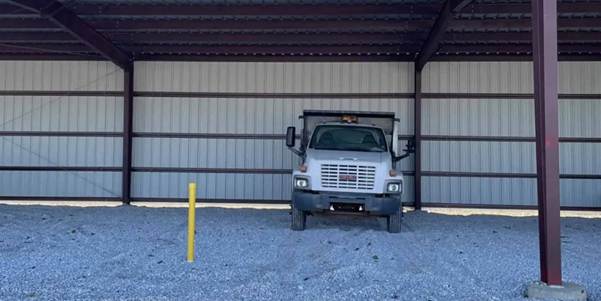
Because the unit allows vehicles to pull directly to the door, loading and unloading items becomes far easier. Moving trucks, trailers, and personal vehicles can be positioned directly in front of the storage space, reducing heavy lifting and repeated trips.
When Non-Climate Storage Makes Practical Sense
Not every item requires temperature-controlled storage. For many belongings, a standard storage unit works perfectly well when items are packed and stored properly. A non-climate unit is often the right choice when you need dependable storage space while keeping costs manageable.
Items that are commonly stored in this type of unit include:
- Lawn equipment, outdoor furniture, and tools
- Seasonal decorations and sporting gear
- Household items during a move or renovation
Choosing a standard storage unit can help customers avoid paying for features they may not need while still providing secure and accessible storage.
Common Situations Where a 10×20 Unit Helps
Large storage units are often used during major life transitions. A 10×20 unit provides the space needed to keep belongings organized when homes or businesses temporarily run out of room.
Some of the most common situations include:
- Moving between homes when closing dates do not align
- Remodeling projects that require furniture to be temporarily removed
- Downsizing to a smaller home or apartment
- Business owners storing tools, inventory, or equipment
During these transitions, a larger storage unit allows customers to protect their belongings without overcrowding smaller spaces.
What to Look for in a Reliable Storage Facility
Choosing the right storage facility is just as important as choosing the right unit size. Security, accessibility, and overall maintenance should all be considered when evaluating storage options.
Facilities should include essential features such as:
- Gated entry with personalized access codes
- Video surveillance monitoring the property
- Wide driveways for moving trucks and trailers
These features help ensure that stored belongings remain protected while still allowing convenient access for renters.
Why Location and Access Matter
Convenient access can make a significant difference when using storage frequently. Customers often prefer facilities located near their homes or workplaces so they can easily retrieve items when needed. For residents searching for self-storage units in Halfway MO, finding a facility within a short driving distance helps simplify the storage experience.
Drive-up units are particularly valuable because they allow direct access to stored belongings. Instead of navigating interior hallways, renters can open their unit and move items quickly from their vehicle into storage.
Another important factor is flexible access hours. Being able to reach stored belongings early in the morning or later in the evening makes storage more practical for busy households and businesses.
Frequently Asked Questions
1. How much can a 10×20 storage unit typically hold?
A 10×20 unit usually holds the contents of a multi-room home or a large apartment. It can store furniture, appliances, boxes, and equipment. The space is similar to a single-car garage, providing enough room for large household belongings.
2. Is a non-climate storage unit suitable for furniture?
Many furniture items can be safely stored in non-climate units if they are properly covered and protected. Using furniture covers, pallets, and protective wrapping helps prevent dust and moisture exposure during long-term storage.
3. Can I store business equipment in a 10×20 unit?
Yes. Many small businesses use larger storage units to keep tools, equipment, and extra inventory organized. This type of unit provides enough room for shelving, boxes, and work supplies without crowding the space.
4. How easy is it to access drive-up storage units?
Drive-up storage units are designed for convenience. Customers can park their vehicle directly in front of the unit and load or unload items quickly, which is especially helpful when moving large furniture or heavy equipment.
5. Are storage facilities typically secure?
Most professional storage facilities include security features such as gated access, entry codes, surveillance cameras, and well-lit properties. These measures help protect stored belongings and provide renters with greater peace of mind.
6. How long can I rent a storage unit?
Many facilities offer flexible month-to-month rental agreements. This allows customers to store belongings for short periods during moves or keep items stored for longer durations without committing to a long contract.
7. When should I consider renting a larger storage unit?
A larger unit is useful when storing furniture from multiple rooms, appliances, or business equipment. It is also helpful during home renovations or moves when large quantities of belongings need temporary storage space.
8. What items should not be stored in a storage unit?
Hazardous materials, flammable liquids, explosives, and perishable food should never be stored in storage units. Facilities typically have rules that prohibit these items to ensure safety for all renters and the property.
Need Extra Space? Contact G & E Self Storage Today
If you are running out of room at home or preparing for a move, having dependable storage can make the process easier. G & E Self Storage offers spacious drive-up units, secure facilities, and flexible rental options designed to meet everyday storage needs. Explore available unit sizes and reserve your storage space today.